
How to photograph items for a better valuation
Good photos do not make an item more valuable. They make it easier to identify the exact thing in front of you, describe its true condition and compare it with the right sales.
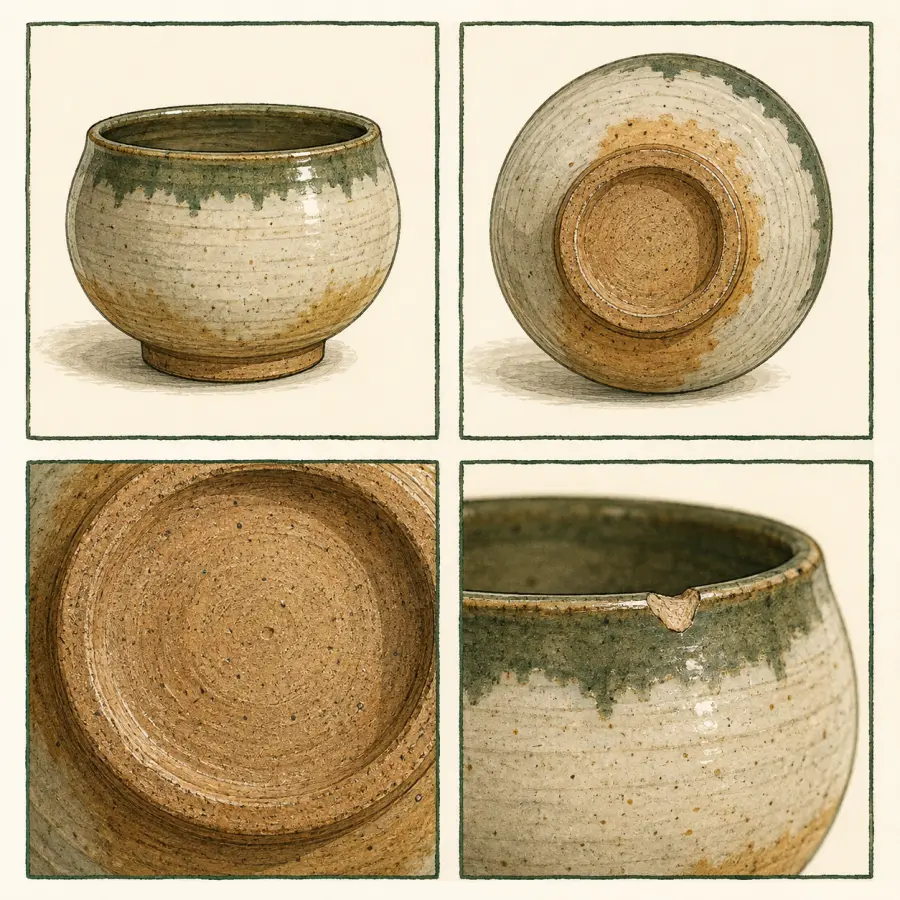
What should a small, honest photo set include?
Begin with one clear whole-item image. Then add the views that answer what it is, which version it is, how large it is, what comes with it and what condition it is in. A flattering hero shot cannot answer all five.
Use even light, a plain background and a clean camera lens. A phone is usually enough when text is in focus and reflections are not hiding the evidence.
| View | What it establishes | Common miss |
|---|---|---|
| Whole item | Overall shape, type and completeness | Cropping handles, feet, lids or the full cover |
| Front, back and sides | Construction, version clues and visible damage | Showing only the best side |
| Mark, label or number | Maker, model, set, edition or country clues | Taking text too far away to read |
| Condition and accessories | Wear, missing parts, box, inserts or related items | Calling an item complete without showing it |
Why capture the whole item before close-ups?
Place the object where its full outline is visible, then photograph every relevant side. For larger objects, include wide views that make scale and form clear. For cards, books and records, include the entire front and back before adding small detail shots.
If a detail is tiny, take one image that shows where it sits on the object and another close enough to read it. Move closer rather than using digital zoom until the image becomes soft.
- Keep the camera straight for labels, title pages and stamps.
- Use more than one angle for reflective, curved or textured surfaces.
- Include a written measurement when size affects the category or delivery path.
How do you photograph marks, labels and identifiers safely?
Maker marks, model labels, card numbers, runout text, backstamps, title pages and packaging details often narrow a match more than another decorative angle. Focus on legibility first.
Hide passwords, account screens, bank details, full payment cards, private messages and other personal information. Keep original documents after taking a redacted photo; an image should not become the only record you rely on.
- Coins: both sides, edge, date and mint mark.
- Cards: front, back, card number, set or printing clues and surface condition.
- Furniture and antiques: all sides, labels, joinery, hardware and dimensions.
- Electronics: model label, safe configuration details, ports and visible condition—never credentials or a private screen.
How do you show size, condition and completeness honestly?
Photograph wear plainly: a repaired chip, a scratched record, a creased card, a damaged box, a failing screen or a worn corner is valuation evidence. Showing the good and the bad creates a more useful comparison and a more honest eventual listing.
For sets, lay accessories out in one image when practical. State what you tested and what you did not. A missing charger, dust jacket, lid or rare minifigure may change the research path.
- Use wide and close views of defects.
- State user-observed function separately from what a photo shows.
- Do not call something complete, sealed, original or near mint from a single image.
How do you avoid glare, filters and unnecessary alteration?
Move the light or object until glare does not hide the surface. Avoid beauty filters, portrait blur, coloured lighting, extreme contrast and direct flash on reflective items. They can distort material and condition clues.
Do not polish, repaint, repair, open or clean an item just to make it photograph better. Those actions can alter the evidence, especially for coins, art, jewellery, watches, antiques and fragile paper objects.
When are photos not enough for resale research?
Photos can narrow possibilities and make a resale discussion more productive. They cannot always prove authenticity, metal purity, gemstone identity, internal watch condition, watermark details, restoration, provenance or a formal grade.
An insufficient-evidence result is useful when it names the missing detail and the next safe step. For insurance, legal, estate, tax, high-value or authenticity-sensitive decisions, do not rely on a photo range as a formal opinion.
How do you use a photo set for the next decision?
When the object is known, use its category checklist to prepare a resale search. When it is not, use the identification guide to find the next useful clue. Keep original images and documents together so you can revisit the evidence later.
Once the photo set is ready, use photo analysis and category research. If the object itself is unknown, identify it from a photo before looking for a price.
Resale prices vary by evidence, condition, venue, fees, timing and buyer demand. A photo-led result is not a formal appraisal, authentication, grade or guaranteed sale price.
What should you check in a four-view photo set?
Open the originals at full size. Check each view below; the goal is readable evidence, not a professional-looking product advert.
Check each point that is clearly visible in your own photos.
How do you fix a photograph that is missing information?
If a label is blurred, tap to focus, steady the phone and move to better light. If metal or foil reflects the lamp, change the angle of the light or camera. If a tiny mark is sharp but has no context, add a wider image showing where it sits. Keep the object stationary when moving it would be unsafe.
A close-up of a number does not replace an image of the object. Keep both. Measurements should use a stated unit; a ruler can help with scale, while a typed measurement avoids camera-perspective ambiguity.
Which photo evidence still needs to be documented?
Use the details above to describe your own item. These notes stay in this page while it is open; they are not saved or sent for analysis. Copy them before leaving.
Notes stay in this open page until you copy them.
What should you verify before using item photos for valuation?
Do I need a white background for item photos?
No. A plain, uncluttered background is enough. The outline, colour, surface and important details should be clear without a busy pattern or heavy shadow.
Should I clean an item before taking photos?
Do not polish, repaint, repair or otherwise alter it just for photos. Remove loose dust only when safe, and document the object as found.
Can one photo be enough?
It may identify a broad category, but it is rarely enough for a useful value comparison where condition, markings, edition or completeness matter.