
Identify an item from a photo and research what it may be worth
Start with the object in front of you. Document its marks, model, version and condition, then use the correct category evidence to compare relevant completed sales.
- Available now
- Photo identification, a ballpark range, 20 category checklists and completed-sale search routes.
- Still a guess
- The range comes from AI general knowledge, not live sales data. Check it against the sold listings we link to.
- 20
- item-specific research categories
- 4 useful views
- whole item, mark, condition and included parts
- Completed sales
- the comparison basis—not optimistic asking prices
- Your choice
- photos are sent for analysis only after you choose Analyse
Which photos help identify an item and assess its condition?
A useful photo set shows the complete object, readable identifiers, condition problems and everything included. Those views help distinguish similar versions before any resale comparison begins.
- Show the complete objectInclude its outline, scale, front, back and underside when safe.
- Make identifiers readablePhotograph maker marks, model labels, serial formats, dates and hallmarks without glare.
- Document condition honestlyShow chips, repairs, fading, missing parts, packaging and accessories rather than hiding them.
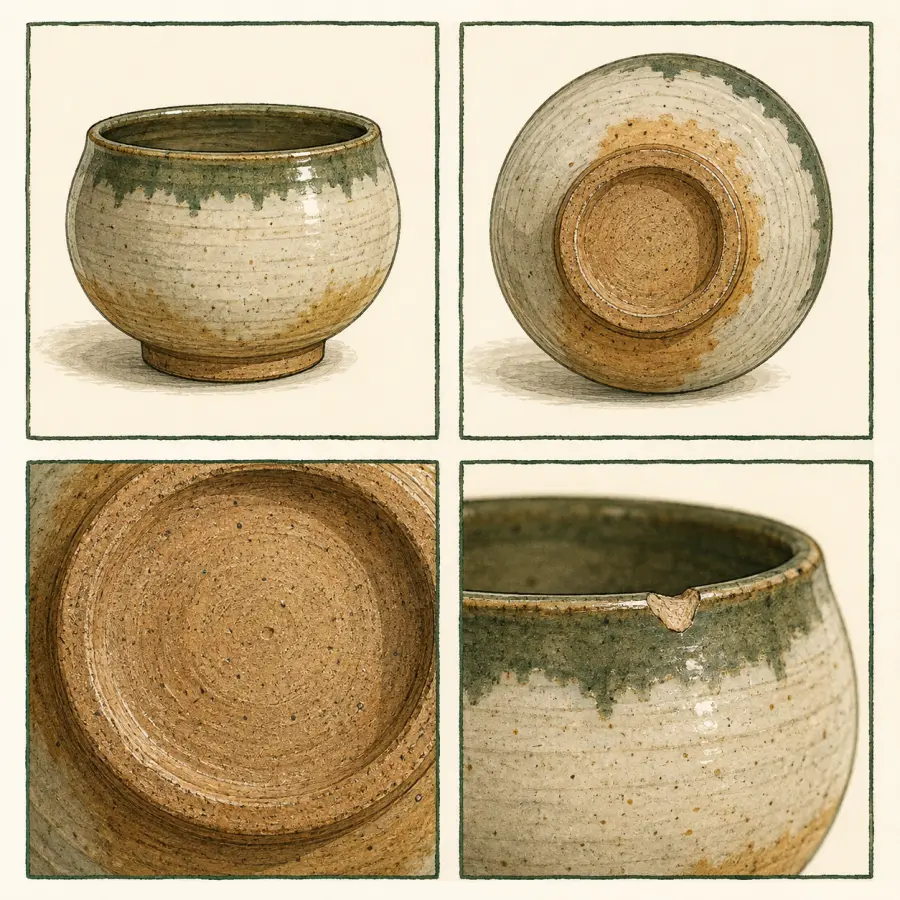
How do you identify an item before estimating its resale value?
First establish what the object actually is. Then confirm the version and condition details that affect comparability. Only after those facts are stable should you filter completed sales and choose a selling or specialist route.
Document identity clues
Photograph the whole object, maker marks, model numbers, dimensions and construction details.
Confirm the exact version
Use the right category checklist to separate editions, variants, materials, condition and completeness.
Compare relevant sold items
Keep only completed sales that match the identity and condition, then choose a selling or specialist route.
Which details affect value in each item category?
A coin needs a date, mint and variety; a record needs its exact pressing; a watch needs a reference and configuration. Choose the category that matches the object so you collect the right evidence instead of relying on appearance alone.
Collectibles
Coins, cards, comics, stamps, toys and sets need exact issue or version evidence.
Home & heritage
Antiques, art, ceramics and furniture depend on construction, marks, condition and attribution.
Wearables
Jewelry, watches, bags and sneakers require reference details and authentication-aware research.
Media & tech
Records, books and electronics need release, edition, model and tested-state evidence.
What evidence should support a resale price range?
A useful range states what was visible, what the owner supplied and what remains unverified. Our ballpark arrives with its reasoning and with what could make it wrong, so you can judge it instead of trusting it blindly.
Four evidence layers, kept separate
A number by itself is not enough. That is why the ballpark arrives beside what is visible, what you supplied, what is still unverified, and where to check real completed sales.
- Confirmed by youMarket, currency and the facts you chose to provide.
- Visible in photosPhysical form, readable marks and observable condition clues.
- Still unverifiedExact variant, repair history, provenance, grade and authenticity when evidence cannot prove them.
| Date | Source | Condition match | Use |
|---|---|---|---|
| Shown | Disclosed | Explained | Included or excluded with a reason |
How do you photograph, research and sell an item responsibly?
Use the practical guides to improve photographs, find relevant sold comparables, compare selling costs and recognise when a professional appraisal is the safer next step.
How to photograph items for a better valuation
Four practical views that make identification and condition research more useful.
Open guide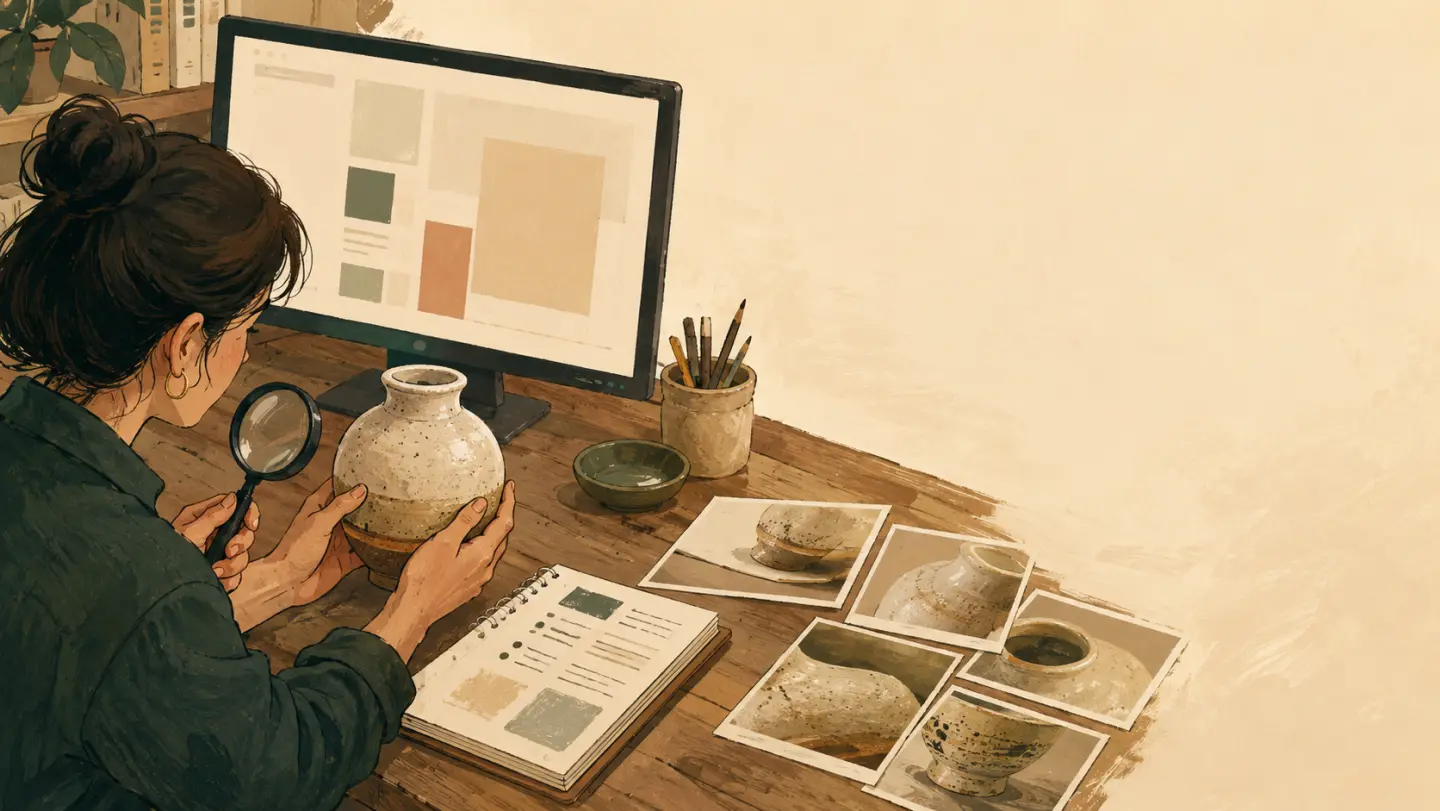
Learn the difference between an active listing and a useful completed-sale match.
Open guide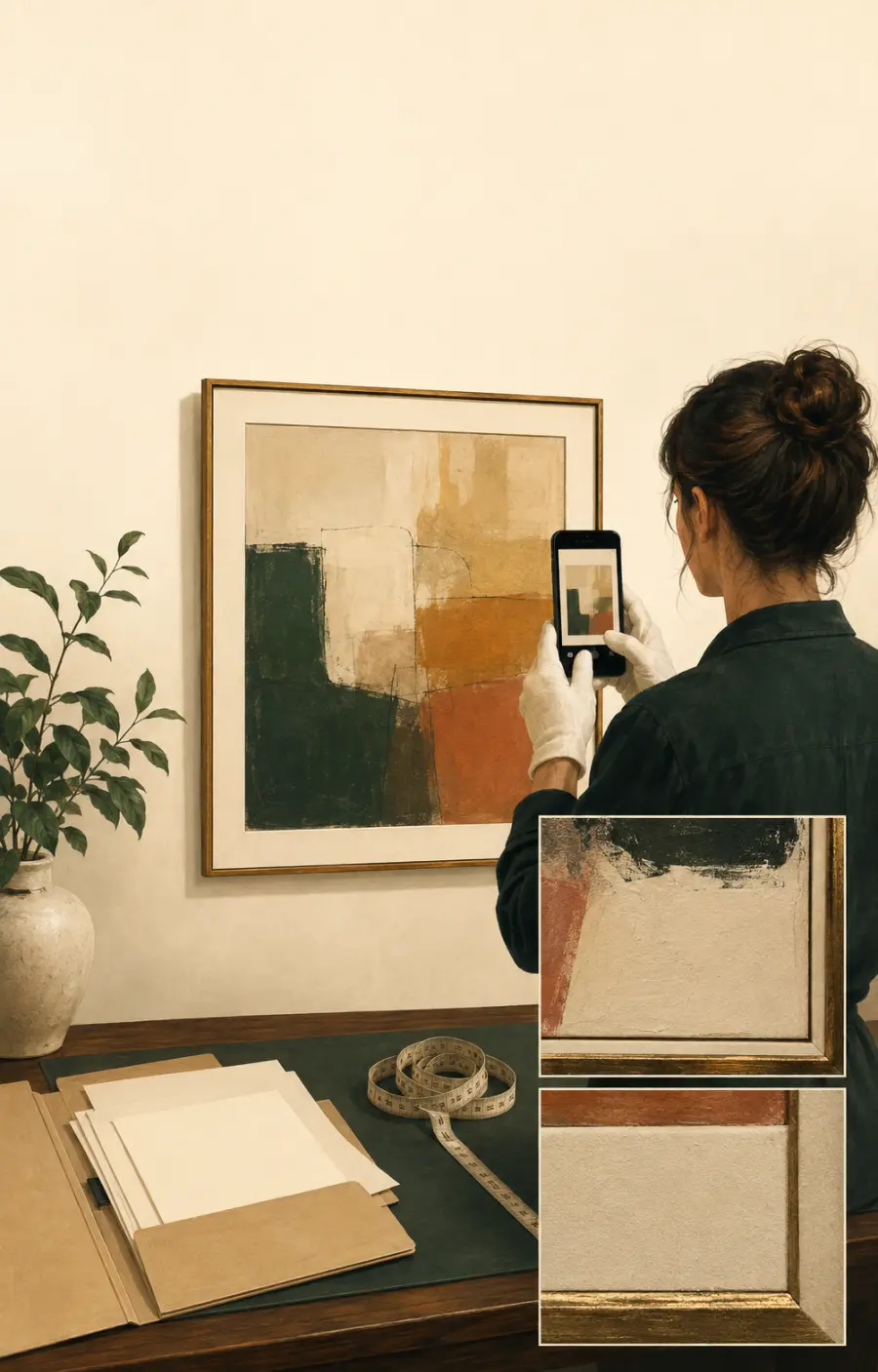
Online estimate vs professional appraisal
Know when a photo-based research result is helpful and when a professional is necessary.
Open guide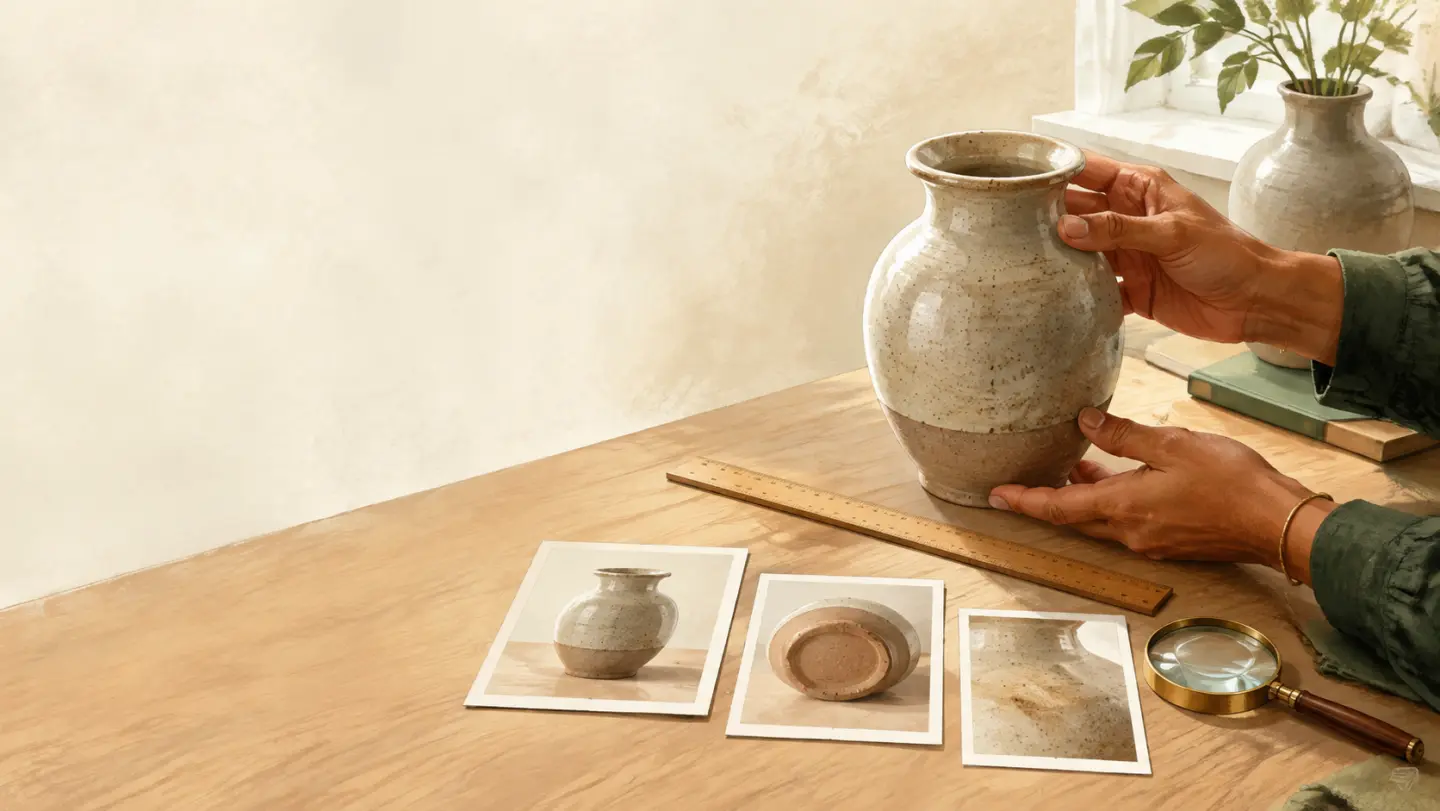
Choose the right selling path based on effort, condition, fees and item type.
Open guideCan a photo estimate replace authentication or a formal appraisal?
No. Photo-led resale research can narrow an identity and guide comparison, but it cannot certify authenticity, assign a professional grade or replace an appraisal prepared for insurance, estate, tax or legal use.
Can I start if I do not know what the item is?
Yes. Add clear photos, then choose Analyse to extract visible clues and likely candidates. You can keep uncertain details marked as uncertain and add the one view that would separate lookalikes.
Will analysing a photo produce a value?
Yes, as a deliberately wide ballpark range that is labelled as a guess. It comes from the model’s general knowledge rather than live sales data, so it is a starting point to check, not a price. When the photos cannot pin the item down, no range is given instead of an invented one.
Is this a formal appraisal or authentication?
No. The service is designed for resale research. It does not replace a formal appraisal, grading, authentication, insurance schedule or legal/estate opinion.